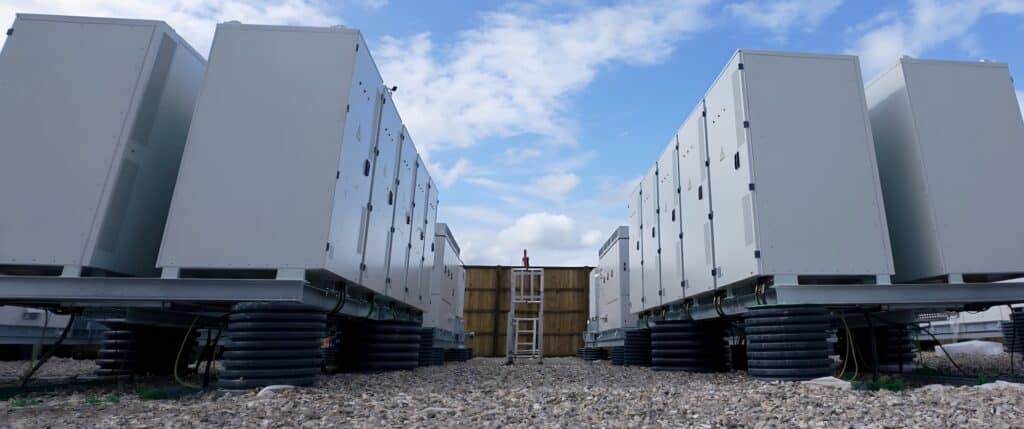
Battery Energy Storage Systems (BESS) are becoming critical infrastructure for grid stability, renewable energy integration, and industrial power management. And as these systems scale in capacity and density, fluid and thermal management challenges grow exponentially.
If you’re designing BESS systems, you likely understand battery chemistry and electrical architecture, but there’s a chance you may overlook the finer details and hidden issues of polymer engineering for thermal management. As we’ve seen in many cases, material selection, routing complexity, and long-term reliability often get overlooked until problems emerge in the field.
Traditional metal tubing or standard plastic components don’t always suffice, frequently failing under the demanding conditions inside modern BESS installations.
Read on to find out why these materials fall short and to discover what engineered alternatives are available.
Chemical Compatibility: Beyond Standard Material Selection
Your thermal management system relies on coolants, like:
- Water-glycol mixtures
- Dielectric fluids
- Specialized formulations
Hidden Incompatibilities and Risks
Each attacks standard plastics differently, and the failure modes aren’t always obvious during initial testing.
Glycol-based coolants cause stress cracking in common thermoplastics over time. Meanwhile, dielectric fluids leach plasticizers or trigger swelling in incompatible materials.
Even water-based systems introduce permeation concerns that compromise long-term performance.
The Importance of a Thermoplastic Manufacturer
A thermoplastic manufacturer with materials expertise can identify polymers with proven resistance to your specific coolant chemistry, ensuring dimensional stability over 20+ year service lives.
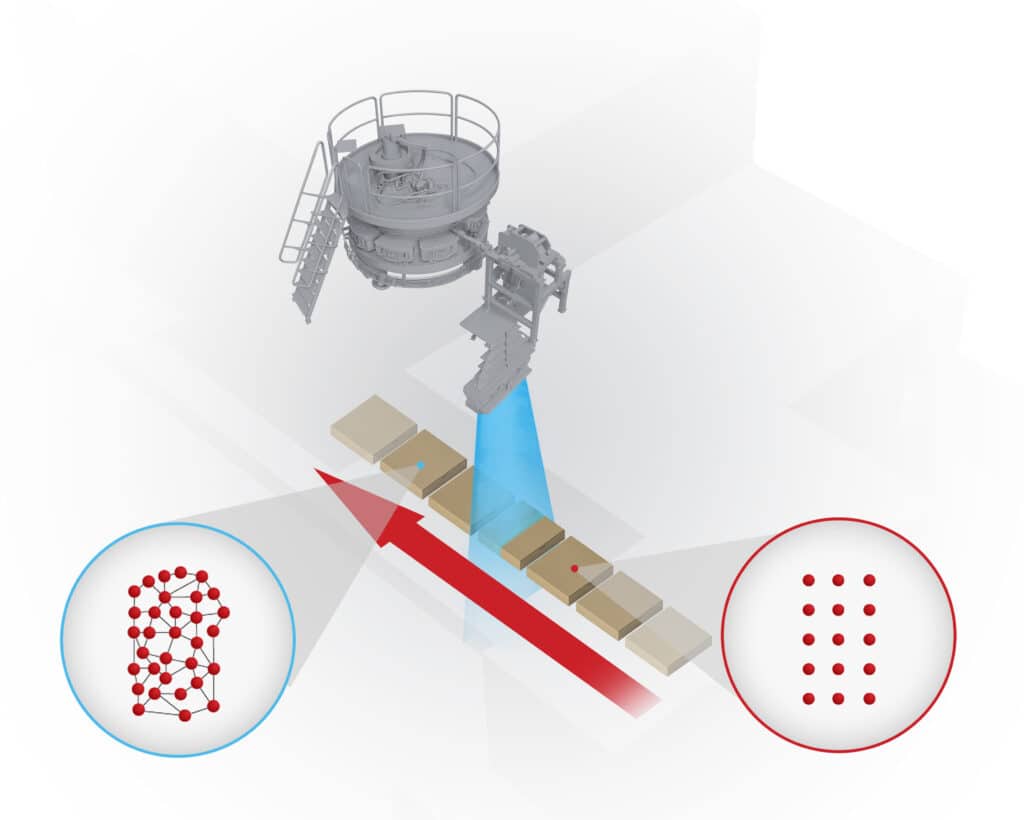
With a thermoplastic manufacturer like us, your systems can benefit from cross-linked polymers that resist chemical attack far better than standard thermoplastics. The molecular bonding achieved through cross-linking creates materials that withstand aggressive environments without degradation.
Thermal Cycling: Managing Expansion Without Failure
Your BESS experiences significant temperature swings during charge-discharge cycles. Coolant temperatures can fluctuate 40°C or more during normal operation, creating expansion and contraction that rigid systems cannot accommodate.
There are two alternatives to straight tubes or piping: formed tubing and custom plastic extrusion.
Formed Tubing
Formed tubing (through fabrication) eliminates the mechanical joints where leaks commonly originate. By forming tubes to precise geometries, you can route coolant through tight spaces while maintaining consistent flow and eliminating stress concentrations at connection points.
Custom Plastic Extrusion
Custom plastic extrusion enables precise control over wall thickness and diameter tolerances — parameters that directly impact thermal expansion behavior.
Where Engineered Solutions Shine
Unlike metal tubing requiring expansion loops or flexible connectors, properly engineered thermoplastics flex within acceptable limits while maintaining seal integrity. You can tailor the coefficient of thermal expansion through material selection and processing. By doing so, you’ll be able to match expansion rates with adjacent components and reduce connection stress.
Weight Reduction in Grid-Scale Installations
Grid-scale BESS installations contain extensive coolant distribution networks. Metal tubing adds substantial weight, increasing structural requirements and installation costs. Standard plastic alternatives reduce weight but sacrifice pressure capability or durability.
Engineered thermoplastic solutions deliver significant weight savings compared to metal systems while maintaining adequate pressure ratings. This reduction cascades through your entire design: less structural steel, simpler installation, and lower transportation costs.
Injection overmolding integrates metal fittings or threaded inserts directly into thermoplastic components, creating hybrid assemblies that maintain high pressure ratings at connections while benefiting from thermoplastic advantages throughout the routing system.
Vibration Resistance and Impact Durability
Transportation and operational vibrations create fatigue stresses. Metal tubing suffers from work hardening and eventual fatigue failure at bend points. Standard plastics lack the impact resistance needed in industrial environments.
Advanced thermoplastic formulations with impact modifiers provide superior vibration damping compared to metals while resisting brittle fracture under impact. This resilience matters particularly in mobile BESS applications or seismically active installations.
Fire Safety in Thermal Events
Thermal runaway events represent catastrophic failure modes. Your fluid routing components must maintain integrity during thermal events to prevent coolant loss that accelerates cascade failures.
Flame-retardant thermoplastic formulations meet UL94 V-0 ratings while maintaining the chemical compatibility and mechanical properties required for normal operation. Key advantages include:
- Thermal barriers: Unlike metals that conduct heat rapidly, engineered plastics slow heat propagation between adjacent cells during thermal events
- High-temperature integrity: Electron beam cross-linking allows materials to maintain structural integrity at temperatures exceeding standard thermoplastic failure thresholds
- Maintained flow paths: Components resist melting or collapse, allowing coolant circulation when you need it most
Thermoplastic Partnership Beyond Components
Addressing thermal management challenges requires expertise in material science, processing technology, and application engineering. So, you need a partner who understands how coolant chemistry, thermal cycling, pressure requirements, and safety standards intersect in BESS applications.
The right partner brings deep polymer engineering knowledge, advanced processing capabilities, including electron beam crosslinking and collaborative engineering from concept through production.
Our engineering team specializes in developing custom thermoplastic solutions for demanding energy storage applications. Contact us to speak with our thermal management specialists.