Mercury Plastics has been recognized for its leadership and continued investment in electron beam (e-beam) processing, a technology that helps manufacturers across North America enhance the strength, stability, and performance of their products.
For more than 25 years, Mercury has been at the forefront of industrial polymer cross-linking, providing irradiation services that improve material properties in a clean, efficient, and environmentally responsible way. With both a 5 MeV and a 10 MeV electron beam accelerator, we operate two of the most powerful beams in North America. We serve industries ranging from wire and cable to electrical, automotive, and tubing manufacturing.
“Being recognized for our e-beam capabilities is a reflection of our team’s dedication to engineering excellence and client success,” said Mark Knurek, Director of Sales and Marketing. “We take pride in helping manufacturers solve performance challenges through technology and collaboration.”
Expanding Our Capacity and Capabilities
Our latest addition, the 10 MeV electron beam accelerator, required a $15 million expansion of our e-beam facility in Northeast Ohio. This investment reflects Mercury’s long-term commitment to advancing material science and supporting the growing needs of our clients across North America.
While our existing 5 MeV accelerator continues to deliver efficient processing for standard applications, the 10 MeV accelerator introduces a new level of flexibility and precision. Its higher energy capability provides for deeper penetration, allowing us to process larger parts and achieve more uniform cross-linking results.
This advancement expands the range of products and polymers we can treat, helping clients achieve performance targets that were previously out of reach using lower energy electron beam accelerators or chemical methods.
Why E-Beam Processing Matters
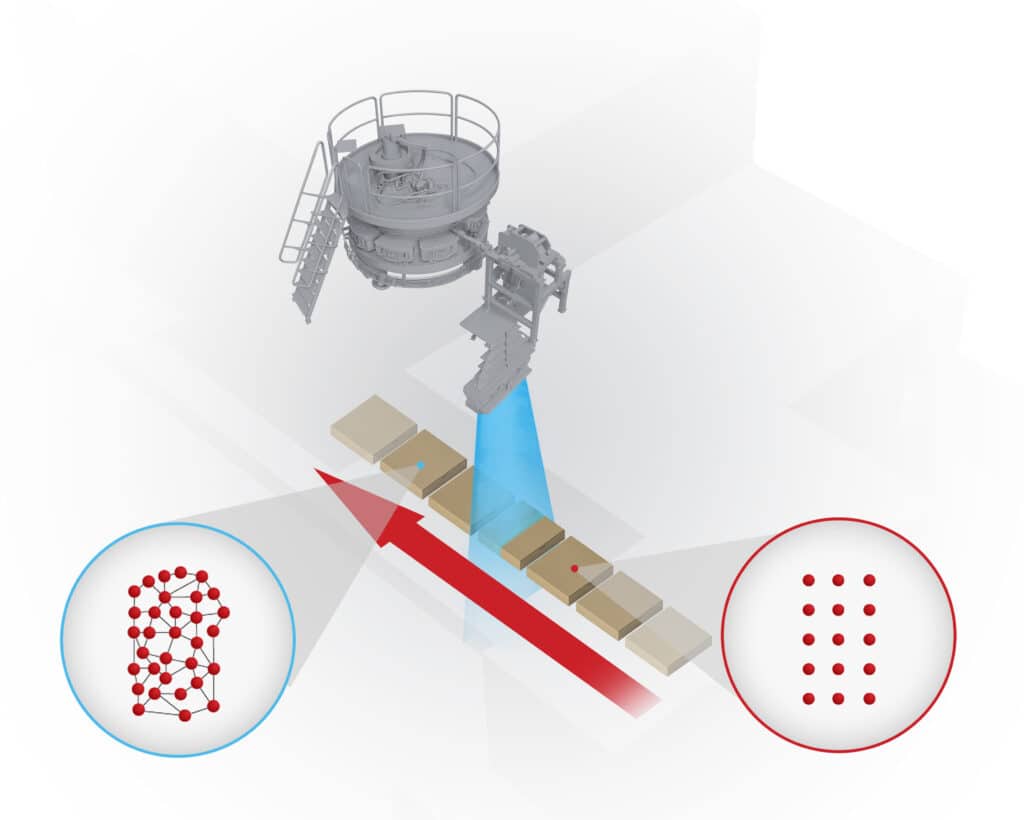
Electron beam processing uses high-energy electrons to modify materials at the molecular level, improving properties like tensile strength, chemical resistance, and dimensional stability without relying on chemical additives. The result is a cleaner, more sustainable way to achieve superior performance and product longevity.
Mercury Plastics applies this technology across several areas:
- Wire & Cable: Cross-linking jackets and insulation to improve durability and heat resistance
- Tubing & Molded Parts: Enhancing chemical resistance and preventing stress cracking
- Raw Material Pellets & Film: Improving downstream processing and end-use performance
- Bioburden Reduction: Reducing microbial load in products for cleaner, safer applications
Why Manufacturers Choose Mercury Plastics
While several companies offer electron beam services, few can match Mercury’s combination of technical expertise, production scale, and customer support.
- Decades of experience in polymer modification and cross-linking
- Dual high-power accelerators, including one of the most powerful 10 MeV systems in operation
- Short lead times, typically 7–10 working days, versus industry norms of 3–4 weeks
- Collaborative, engineering-driven approach to product development and testing
Every project at Mercury begins with one goal: to make it easy for clients to get superior results, faster.
Supporting Innovation Across Industries
Our electron beam processing capabilities support manufacturers in a variety of applications, from enhancing insulation and jacket performance in wire and cable, to improving reliability in tubing and molded components, to reducing bioburden in specialized products.
Whether you’re already familiar with polymer cross-linking or just beginning to explore its potential, Mercury Plastics offers the expertise, scale, and technology to help you achieve measurable performance gains. Talk to us about your needs today!