Electron beam technology has been used in industrial manufacturing for decades, particularly where polymer performance needs improvement without adding chemicals or changing material formulations. While the fundamentals of the process remain consistent, the capability of the system doing the work makes a measurable difference.
One of the most important variables is beam energy. A 10 MeV system changes how manufacturers approach throughput, penetration depth, and crosslinking consistency.
Find out why you need this beam in your operations.
What an Electron Beam Accelerator Does in Practice
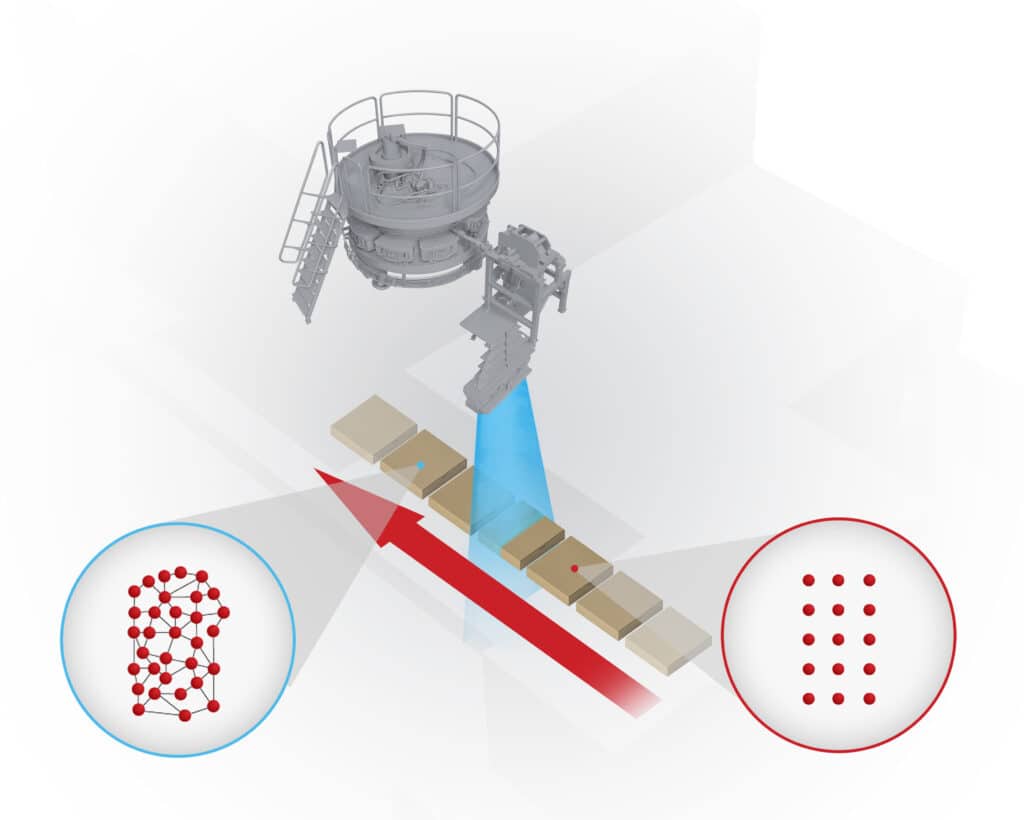
An electron beam accelerator generates high-energy electrons and directs them toward a material under controlled conditions. When those electrons penetrate a polymer, they create molecular-level changes that alter physical properties. These changes occur without leaving residual radiation and without introducing chemical agents.
The energy level of the accelerator determines how deeply the electrons can penetrate into the material. Lower-energy systems perform well on thin products or low-density materials. As wall thickness increases or part geometry becomes more complex, penetration depth becomes a limiting factor. A higher-energy system extends the range of materials and part designs that can be processed effectively.
Energy Level and Throughput Are Directly Connected
Throughput is often discussed in terms of line speed or batch size, but energy level plays an equally important role. If electrons cannot penetrate the full thickness of a product in a single pass, manufacturers may need to slow processing speeds or run parts through multiple cycles.
A 10 MeV system allows deeper penetration in one pass, which supports higher line speeds without compromising uniformity. Thicker tubing, molded components, and multi-layer structures can be processed efficiently because energy reaches the full cross-section of the product. This capability reduces processing time and helps avoid bottlenecks, especially when production volumes increase.
Why Deeper Penetration Improves Processing Consistency
Uniform treatment is a key objective of electron beam processing. When electrons only affect surface layers, material properties can vary across the product. Inconsistent treatment increases the risk of weak points that may show up later as cracking, deformation, or reduced service life.
Higher beam energy allows electrons to reach deeper into the material, which supports more consistent modification throughout the product. Cable insulation benefits from uniform treatment across the jacket. Tubing shows improved chemical resistance throughout the wall thickness. Injection-molded parts maintain dimensional stability across complex geometries.
Consistency at the molecular level translates into predictable performance during installation and long-term use.
The Role of Electron Beam Crosslinking in Polymer Performance
Electron beam crosslinking strengthens polymers by forming stable molecular bonds between polymer chains. These bonds improve how materials respond to heat, stress, and environmental exposure. Compared to untreated polymers, crosslinked materials typically show improved tensile strength, impact resistance, and wear characteristics.
Higher-energy systems support more uniform crosslinking across thicker or denser products. That uniformity helps reduce issues such as creep, stress cracking, and deformation under load. Because the process does not rely on chemical additives, it avoids residues and byproducts that can affect downstream processing or regulatory requirements.
Expanding the Range of Viable Applications
A 10 MeV system broadens the range of products that can benefit from electron beam treatment. Thicker tubing,larger molded industrial components, and raw material pellets can be processed with consistent results.
Pellet crosslinking before extrusion or molding can improve processability and end-use performance. Cut films can achieve better durability and predictable behavior.
In applications where bioburden reduction is required, deeper penetration supports effective treatment without damaging the material.
Speed and Control Are Not Competing Goals
Higher processing speed is only valuable when results remain repeatable. Control over dose, penetration depth, and exposure time determines whether performance improvements are consistent from batch to batch.
A 10 MeV platform supports shorter processing times while maintaining control over critical parameters. Fewer passes are required to achieve uniform treatment, which simplifies production planning.
Why Capability Matching Matters
Not every product requires high-energy processing. Thinner or less complex parts may be well suited to lower-energy systems. Having access to multiple energy levels allows each application to be matched to the appropriate capability rather than forcing a single solution.
Manufacturers that operate both 5 MeV and 10 MeV systems can evaluate material thickness, density, and performance goals before selecting processing parameters. This approach supports efficiency while avoiding unnecessary processing steps.
We at Mercury Plastics apply this model by aligning beam energy with application requirements rather than defaulting to a single setting.
The Practical Impact of 10 MeV Capability
A 10 MeV electron beam matters because it removes common limitations associated with penetration depth and processing speed. Deeper penetration supports consistent material modification. Higher throughput reduces processing time. Uniform crosslinking improves long-term performance across a wider range of products.
For manufacturers evaluating electron beam technology, energy level is not a secondary detail. It is a defining factor that influences efficiency, consistency, and application flexibility.
Leverage Electron Beam Processing in Your Operations
Penetration depth, part geometry, material thickness, and throughput targets all influence whether a product achieves uniform crosslinking or runs into avoidable limitations during production. Addressing those variables early helps prevent rework, extended lead times, or performance gaps that only appear after scale-up.
Is penetration depth, throughput, or crosslinking consistency limiting your current process?
Reach out and let’s talk about your energy requirements.